
In the quest to improve energy efficiency and reduce utility expenses, reflective insulation has emerged as a vital component in modern building practices. This advanced insulation technology offers significant benefits over conventional methods, particularly in managing heat transfer within buildings. Understanding reflective insulation, its applications, and advantages is crucial for builders, architects, and homeowners aiming to enhance the thermal performance of structures.
What is Reflective Insulation?
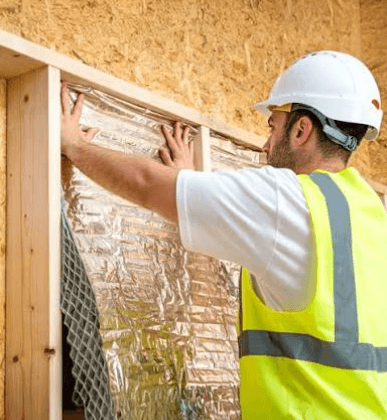
Reflective insulation is a type of building insulation designed to reduce radiant heat transfer by reflecting thermal radiation. Unlike bulk insulations that primarily resist conductive and convective heat flow, reflective insulation focuses on halting heat radiation. This property makes it particularly effective in hot climates or areas with significant solar exposure, where radiant heat gain through roofs and walls can substantially increase cooling demands.
How Reflective Insulation Works
The principle behind reflective insulation is its surface emissivity. It consists of materials with low emissivity surfaces, often aluminium foils, which reflect radiant heat rather than absorbing it. By reflecting up to 97% of radiant energy, reflective insulation helps maintain desired indoor temperatures, reducing reliance on mechanical heating or cooling systems.
Types of Reflective Insulation
Reflective insulation is available in several formats, including foil-faced bubble wraps, multi-layer foils, and reflective laminates combined with other insulating materials. Each type is engineered to suit specific applications, such as roofing, wall cavities, floors, or ductwork. Selection depends on factors like climate, building design, and desired performance outcomes.
Applications in Residential Buildings
In residential settings, reflective insulation is commonly installed beneath metal roofs or within ceilings to limit heat gain. It is especially beneficial in regions with high summer temperatures. By reducing the heat load, it improves occupant comfort and decreases air conditioning energy consumption.
Commercial and Industrial Use
Commercial and industrial buildings also benefit from reflective insulation. Warehouses, factories, and office buildings often have large roof surfaces exposed to the sun. Installing reflective insulation in these structures can contribute to a more stable internal environment, enhancing worker productivity and reducing operational costs associated with heating and cooling.
Energy Efficiency Benefits
One of the core advantages of reflective insulation is its ability to improve a building’s energy efficiency. By reflecting radiant heat, it lowers the need for artificial cooling in summer and contributes to retaining heat during winter when combined with other insulation materials. This dual function supports sustainable building goals and aligns with increasing environmental regulations.
Cost Savings Over Time
While initial investment in reflective insulation may be similar or slightly higher compared to traditional insulations, the energy savings over time can result in significant cost reductions. Lower utility bills and reduced strain on HVAC systems translate into long-term financial benefits for property owners.
Installation Considerations
The effectiveness of reflective insulation depends heavily on proper installation. Air gaps must be maintained adjacent to the reflective surface to maximise heat reflection. Incorrect installation, such as direct contact with other materials, can diminish performance. Therefore, professional guidance and adherence to manufacturer specifications are critical.
Compatibility with Other Insulation Types
Reflective insulation often complements other insulation types, such as bulk insulation. Combining materials that resist conduction and convection with reflective surfaces results in comprehensive thermal protection. This integrated approach is especially advantageous in climates with wide temperature variations.
Durability and Maintenance
Reflective insulation materials are generally durable, resistant to moisture, and do not settle or degrade quickly over time. These qualities make them suitable for long-term use in various environments. Regular inspections ensure any damage or contamination that might impair reflectivity is promptly addressed.
Environmental Impact
By improving energy efficiency, reflective insulation contributes to reducing greenhouse gas emissions associated with heating and cooling. Its use supports sustainable construction and environmental stewardship. Additionally, many reflective insulation products incorporate recyclable materials, further minimising ecological footprints.
Addressing Common Misconceptions
There are misconceptions that reflective insulation is only effective in hot climates. While it excels in reflecting solar radiation, it can also assist in colder climates when used correctly with other insulating materials. Moreover, it is not a replacement for bulk insulation but rather a complementary solution.
Regulatory Standards and Compliance
Reflective insulation products must meet stringent building codes and performance standards. Compliance ensures safety, reliability, and energy efficiency. Building professionals should select certified products and ensure installations conform to local regulations.
Case Studies Demonstrating Effectiveness
Studies of buildings incorporating reflective insulation show measurable reductions in peak indoor temperatures and energy consumption. Such data validates its role in energy-efficient building design. Ongoing research continues to refine installation techniques and material innovations for even better performance.
See also: How to Buy Bus Tickets Online Using Your Phone
Future Trends in Reflective Insulation
Advancements in material science are driving the development of reflective insulation with enhanced durability, higher reflectivity, and integrated smart features. These innovations aim to further reduce energy consumption and contribute to net-zero building targets worldwide.
Conclusion
Reflective insulation is a proven and valuable method to improve building energy efficiency by reducing radiant heat transfer. Its integration into modern construction enhances thermal comfort, decreases energy expenses, and supports sustainability goals. Awareness of proper product selection and installation is essential to realise its full benefits. Professionals and homeowners looking to optimise building performance should consider incorporating reflective insulation into their designs and renovations.


 By
By




 By
By