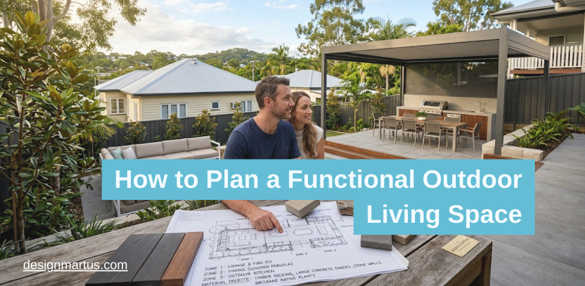

Planning a functional outdoor living space means sorting out your layout, zones, and materials before anything else goes in. So if your backyard feels like wasted potential right now, the good news is that it usually comes down to a planning gap, instead of a budget one.
At Design Martus, we’ve spent years helping Brisbane homeowners turn underused backyards, tired courtyards, and neglected garden spaces into areas their families love spending time in.
That hands-on work taught us where most projects go wrong and what it actually takes to get them right. This guide covers layout, design choices, and practical tips that save you time and money, so by the end, you’ll have a clear picture of how to move your own project forward.
How Do You Want to Use Your Outdoor Space?
The first step in any outdoor plan is figuring out exactly how you want to use the space. And honestly, this is the question most people skip. They focus on how the garden looks rather than how it functions, and that gap is usually what leads to a backyard that sits empty most of the year.
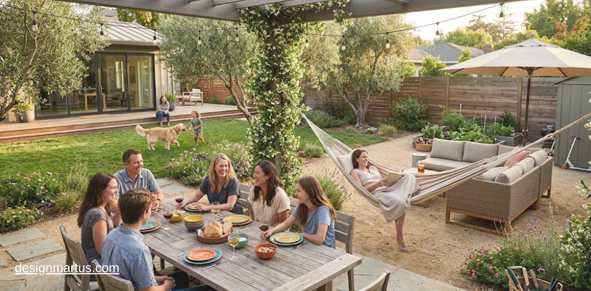
So think through what you actually want from your outdoor space:
- Dining and Entertaining: If you love having people over in summer, your layout needs to accommodate a table, chairs, and enough room for guests to move around comfortably.
- Relaxing and Unwinding: A lounging zone works best when it sits away from foot traffic and gets good natural light without full afternoon sun exposure.
- Kids, Pets, and Everyday Use: Families with young children or pets need open lawn areas, clear sightlines, and surfaces that handle real daily life, not just occasional weekend use.
Your answers here will determine everything else, from how you zone your backyard to what furniture and shade solutions make sense for your house.
Now, let’s look at how to translate those answers into an actual layout.
How to Think Through Your Backyard Layout Ideas
A good backyard layout groups related zones together, keeps pathways clear, and works with the existing features of your space rather than against them.
Most people start with the furniture. But the layout should come first because a backyard that’s zoned well from the start feels larger, flows better, and gets used far more than one pieced together over time.
Here are three things to work through before you commit to anything:
Map Out What’s Already There
Before anything else, sketch a rough floor plan of your backyard. Mark existing features like trees, fences, the back door, and any garden beds or walls.
Doing this gives you a realistic picture of what you’re actually working with, so you’re not planning around a space that exists only in your head.
Group Your Zones Logically
Once that’s established, think about how your zones relate to each other. Generally, a dining area works best close to the house. Meanwhile, a lounging zone benefits from sitting a little further from the main foot traffic areas.
Getting this right early means the whole garden flows naturally from one area to the next.
Keep Your Pathways Clear
From there, you need to start looking at the pathways. After working on outdoor spaces across Brisbane, one thing becomes clear pretty quickly: narrow or blocked pathways kill the feel of an otherwise well-planned garden.
So, leave at least 90cm of clear walkway between zones so movement through the space feels easy, not like an obstacle course.
What a Good Outdoor Living Space Design Looks Like
Good outdoor living space design balances hard surfaces with soft elements, uses materials that hold up to the local climate, and layers lighting and shade to make the space genuinely comfortable. And that outcome doesn’t happen by accident.
The first thing to get right is balance. Hard surfaces like stone paving or concrete need soft elements alongside them, think garden beds, plants, and timber, to stop the space feeling harsh or bare.
Time and again, the projects that skip this balance end up feeling more like a car park than a place to actually sit and enjoy. And that’s a risk few Brisbane homeowners can afford, given how much UV and humidity punish the wrong materials.
Material choice plays into this, too. Brisbane’s weather is tough on outdoor surfaces, so timber, composite decking, and powder-coated steel tend to hold up far better than cheaper alternatives that warp or fade within a season. Choosing well upfront saves a lot of rework later.
Lighting, shade from a pergola or sail, and comfortable seating are the final layer. Together, these features turn an outdoor area from a nice-looking space into one your family genuinely wants to spend time in.
Practical Landscape Design Tips Worth Knowing
Getting the practical side right early means less rework, less spending, and a result you’ll be happy with long-term. And these are the decisions that determine whether your outdoor project stays on budget or blows out before it’s finished.
There are three areas worth thinking through carefully:
See also: How to Buy Bus Tickets Online Using Your Phone
Sort the Basics Before the Pretty Stuff
There’s no way around it. Get the drainage wrong early, and everything built on top suffers. Level ground, good soil preparation, and a solid base need to come before any decorative elements go in.
In Australia, decks, pergolas, and retaining walls over certain sizes also require building permits, so it’s worth checking your local council requirements before construction starts. The Victorian Building Authority and the NSW Planning Portal both outline what triggers a permit for common outdoor structures, and getting that sorted early avoids costly surprises later.
Match Your Plants to Your Schedule
From there, you should think honestly about how much time you can give to garden maintenance each week. Low-maintenance plants like native grasses, grevilleas, and lomandras suit Brisbane’s climate well and don’t need constant attention.
Frankly, choosing plants that fit your actual schedule (rather than your Pinterest board) means your garden stays looking good without becoming a second job.
A Few Good Details Beat Lots of Cheap Ones
A well-placed water feature, a built-in bench along a fence line, or a small gravel path through the garden adds far more detail than scattering lots of cheap ornaments around the yard. So spend where it counts, and keep the rest simple.
Tackling a Small Backyard Without Losing Function
Believe it or not, some of the most-used outdoor spaces in Brisbane are under 30 square metres.
A small backyard doesn’t have to feel cramped; it just needs a smarter approach to planning. So here are a few ideas worth considering:
- Vertical Gardens: Wall-mounted planters and vertical garden systems free up valuable floor space while still bringing plants and nature into the yard. They work especially well along a fence line or on a bare wall that would otherwise sit unused.
- Multi-use Outdoor Furniture: A bench seat with built-in storage, or a table that folds away when not in use, keeps a small backyard tidy and practical without sacrificing comfort. It also makes entertaining in a compact space far easier.
- Visual Tricks That Open Up the Space: Light paint colours on surrounding walls, mirrors along a fence, and diagonal stone paving lines can all make a small area feel noticeably larger. These are simple, low-cost ideas that create a real sense of depth without changing the yard’s actual footprint.
Small backyards reward thoughtful planning more than any other space, and with the right approach, even the most compact garden can feel like a proper outdoor room.
Your Garden Design Starts With a Plan
Now that you’ve got the full picture, the next step is putting it into action. A good outdoor space design comes down to knowing your site, your needs, and your budget before anything else goes in.
Even small changes to your garden, done in the right order, can completely shift how a backyard feels and how much your family uses it. Plan first, spend second, and build something that works for your life.
If you’re ready to get started, the team at Design Martus is happy to help.


 By
By

 By
By