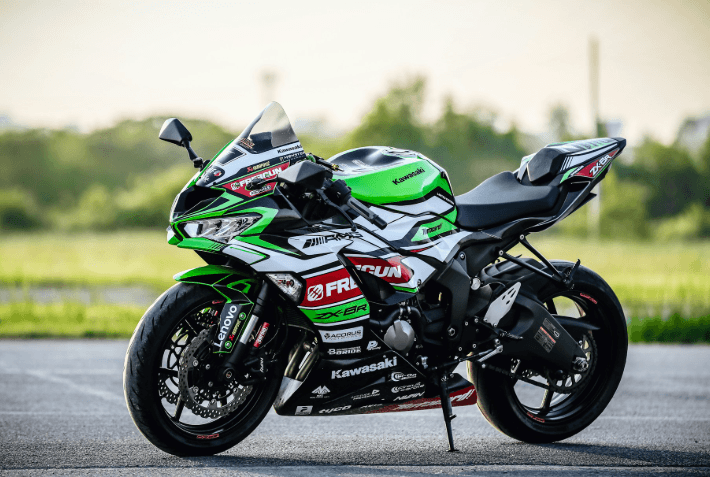

Purchasing a motorcycle can be an exciting experience, but for many individuals, securing the right financial plan is crucial. Understanding the various motorcycle finance options available can help in making an informed decision that aligns with budget and long-term goals. This guide aims to provide a comprehensive overview of the financing methods, their benefits, and important considerations.
Understanding Motorcycle Finance
Motorcycle finance refers to the various credit arrangements available to help individuals acquire a motorcycle, typically involving borrowing money and repaying it over time. Unlike purchasing outright with cash, finance options break down the cost into manageable payments, allowing buyers to obtain the motorcycle sooner without the need to save the entire amount upfront.
There are multiple types of financing methods, each with unique features. These include personal loans, hire purchase agreements, personal contract purchase (PCP), and secured loans. Selecting the most suitable option often depends on financial circumstances, credit rating, and personal preferences.
Personal Loans for Motorcycles
One common method to finance a motorcycle is through a personal loan. A personal loan is an unsecured form of credit, meaning that it does not require the motorcycle or any other assets as collateral. Borrowers receive a lump sum amount which they repay with interest over an agreed term.
Personal loans offer flexibility as borrowers have full ownership of the motorcycle from the outset. However, interest rates might be higher compared to secured options, and loan approval often depends on creditworthiness. It is important to compare offers from different lenders to find competitive rates and terms.
Hire Purchase Agreements
Hire purchase (HP) is a popular motorcycle finance option where the buyer pays a deposit followed by fixed monthly payments. The ownership of the motorcycle remains with the finance company until all payments have been made in full. Once the final payment is completed, ownership is transferred to the buyer.
HP agreements are straightforward and provide certainty regarding monthly payments. They are commonly offered by dealerships, making it convenient for buyers. A drawback is that total repayable amounts may be higher due to interest and additional fees. Additionally, failure to keep up with payments can result in the motorcycle being repossessed.
Personal Contract Purchase (PCP)
Personal contract purchase is a relatively newer form of motorcycle finance and combines elements of leasing and purchasing. With PCP, buyers agree to fixed monthly payments over a contracted term, followed by a balloon payment if they wish to keep the motorcycle at the end of the term.
PCP generally requires a lower monthly outlay compared to HP agreements, making it attractive for those wanting to manage monthly budgets. At the conclusion of the contract, the buyer can choose to pay the final lump sum to own the motorcycle, return it to the dealership, or upgrade to a new model and start a new agreement.
This type of finance is suited to individuals who prefer flexibility and anticipate changing their motorcycle more frequently. However, PCP agreements may include mileage restrictions and condition requirements that must be met to avoid additional charges.
Secured Loans
Some buyers might consider secured loans, where the motorcycle or other assets serve as collateral against the loan. Secured loans typically offer lower interest rates because the lender assumes less risk. However, if repayments are not maintained, the lender can repossess the asset used as security.
This option may be suitable for borrowers with lower credit scores who want to access lower interest rates. Nevertheless, the risk of losing valuable assets requires careful consideration before entering into a secured loan agreement.
Comparing Interest Rates and Terms
The cost of motorcycle finance is largely influenced by the interest rate and the loan term. Lower interest rates reduce the overall repayment amount, while longer terms decrease monthly payments but can increase total interest paid. Prospective buyers should request detailed quotations and consider the annual percentage rate (APR) to effectively compare options.
Additional fees such as application charges, early repayment penalties, and documentation fees should also be taken into account. Transparency from lenders regarding all costs involved is essential to avoid unexpected expenses.
Credit Scores and Their Impact
Credit scores play a significant role in obtaining favourable motorcycle finance deals. Lenders assess an applicant’s creditworthiness to determine the risk of lending. Higher credit scores generally translate to better interest rates and increased chances of approval.
Individuals with poor credit histories may face higher interest rates or more stringent lending criteria. It is advisable to review credit reports before applying and take steps to improve credit status where possible. Some lenders specialise in offering motorcycle finance to applicants with varying credit profiles.
Deposit Requirements
Many motorcycle finance options require an initial deposit, typically expressed as a percentage of the motorcycle’s purchase price. A substantial deposit reduces the amount borrowed and may improve loan terms, such as lower interest rates or shorter terms.
Prospective buyers should consider their available funds and how much they can comfortably allocate as a deposit without compromising financial stability. In some cases, promotions or special offers may reduce or eliminate deposit requirements, but terms must be reviewed carefully.
Documentation and Application Process
The application process for motorcycle finance generally involves submitting proof of identity, income, residence, and sometimes employment status. Lenders perform credit checks and verify information before approving the loan.
It is advisable to prepare necessary documents in advance to streamline the application and reduce processing times. Some providers may offer online applications with quicker approvals, while others may require in-person meetings.
Benefits of Using Motorcycle Finance
Using finance to purchase a motorcycle allows buyers to acquire their desired vehicle immediately without waiting to save the full purchase price. It facilitates budget management by spreading payments over time and can help build credit history if repayments are made promptly.
Moreover, finance plans offer flexibility in choosing repayment durations and amounts that suit individual circumstances. Many lenders provide tailored solutions and competitive offers to meet diverse financial needs.
Potential Drawbacks and Risks
While motorcycle finance offers advantages, it does come with potential drawbacks. The overall cost of borrowing can be higher due to interest and fees. Failure to meet repayment obligations may negatively impact credit ratings and lead to repossession of the motorcycle.
Buyers should carefully assess their financial stability and consider contingency plans before committing to finance agreements. Understanding the full terms and conditions is essential to avoid surprises.
See also: How to Buy Bus Tickets Online Using Your Phone
Insurance Considerations
Lenders often require that financed motorcycles be insured comprehensively to protect their interest in the asset. Buyers should budget for insurance premiums as part of the total cost of ownership. Some finance providers may offer packages or recommendations for insurance policies.
Refinancing Motorcycle Finance
Refinancing involves replacing an existing finance arrangement with a new one, often to secure better terms or reduce monthly payments. It may be appropriate if a borrower’s financial circumstances improve or market interest rates decrease.
Careful evaluation of refinancing benefits versus costs is advisable. It is important to check for any early repayment fees or penalties on the current agreement before proceeding.
Conclusion
Choosing the right motorcycle finance option requires thorough research and an understanding of personal financial circumstances. By comparing various types of finance, interest rates, and terms, prospective buyers can identify the solution best suited to their needs.
Proper planning, realistic budgeting, and transparent communication with lenders are key steps to achieving a successful motorcycle purchase through finance. This approach ensures that the benefits of ownership are enjoyed without undue financial stress.


 By
By




 By
By