
Non woven bags have gained significant popularity in recent years as a sustainable alternative to traditional plastic and paper bags. Manufactured from synthetic fibres bonded together using heat, chemicals, or adhesives, these bags offer a versatile solution for various carrying needs. This article explores the numerous benefits and diverse applications of non woven bags, highlighting why they have become a preferred choice for both consumers and businesses.
Environmental Advantages of Non Woven Bags
One of the primary benefits of non woven bags is their positive environmental impact. Unlike single-use plastic bags, non woven bags are reusable and designed for long-term use. Their durability reduces the volume of disposable bags entering landfills and oceans. Additionally, many non woven bags are recyclable and can be produced from recycled materials, further minimising environmental footprints.
By choosing non woven bags, consumers contribute to reducing plastic pollution, which is a significant issue worldwide. Non woven bags decompose more quickly than plastic and often come from processes that use less water and energy compared to traditional bag manufacturing.
See also: Effective Remedial Building Services for Structural Integrity
Durability and Strength of Non Woven Bags
Non woven bags are known for their strength and durability. Made from polypropylene fibres, these bags withstand heavier loads compared to conventional plastic or paper bags. This robustness makes them practical for daily use and suitable for carrying groceries, books, or other heavy items without concern about tearing.
Due to their sturdy nature, non woven bags provide excellent value over time, outperforming single-use alternatives in terms of reliability and lifespan. Their ability to endure repeated use without significant wear and tear makes them a cost-effective choice for both consumers and retailers.
Cost-Effectiveness
Despite their durability and eco-friendly properties, non woven bags are generally economical to produce. This affordability makes them an attractive option for businesses seeking sustainable packaging solutions without incurring high costs. Many companies invest in non woven bags for promotional purposes, utilising them as customised carriers that enhance brand visibility.
The balance between price and quality allows non woven bags to serve a wide range of markets, from supermarkets to fashion retail outlets. Their cost-effectiveness also supports large-scale adoption as part of corporate sustainability initiatives.
Customisation and Branding Opportunities
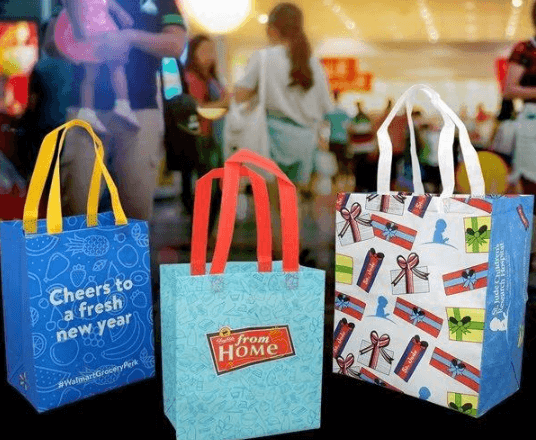
Non woven bags offer excellent opportunities for customisation, which benefits businesses looking to promote their brand effectively. These bags can be printed with logos, slogans, or designs, transforming them into mobile advertising tools that increase brand recognition. The print quality on non woven materials is generally high, ensuring clear and colourful branding.
Marketing campaigns often incorporate non woven bags as giveaways or incentives, adding value to customer purchases while promoting environmental consciousness. This combination of sustainability and branding makes non woven bags a mutually beneficial marketing asset.
Wide Range of Uses
The versatility of non woven bags means they are suitable for a wide array of applications. In retail settings, they serve as shopping bags for groceries, clothing, and other consumer goods. Their washable nature makes them ideal for repeated usage, further reducing the demand for disposable packaging.
In addition to retail, non woven bags are commonly used in trade shows, conferences, and exhibitions to distribute promotional materials. Their lightweight and foldable design make them easy to transport and store, which is advantageous for event organisers and attendees alike.
Health and Safety Considerations
Non woven bags are typically manufactured using materials that comply with health and safety standards. They do not contain harmful chemicals, which makes them safe for carrying food items and personal belongings. Their breathability also prevents moisture build-up, reducing the risk of contamination when used for groceries such as fruits and vegetables.
Moreover, non woven bags are easy to clean, which supports hygiene maintenance and ensures consumer safety. A simple wash can restore the bag to like-new condition, making them suitable for extended use without health risks.
Contribution to Plastic Reduction Policies
Across many countries, regulations have been introduced to restrict the use of single-use plastics. Non woven bags are frequently recommended as an alternative in such policy frameworks. Their use supports governmental and organisational efforts to reduce plastic waste and encourage sustainable consumer habits.
The adoption of non woven bags aligns with international sustainability goals, making them a practical tool in corporate social responsibility strategies as well as individual efforts to protect the environment.
Variety in Design and Sizes
Non woven bags come in a diverse range of designs, colours, and sizes. This variety accommodates different user needs, whether for everyday shopping, promotional giveaways, or specialised purposes such as carrying laptops or gym gear. Some models include additional features like zippers, inner compartments, or reinforced handles to increase utility.
The flexibility in design options ensures that non woven bags can cater to specific market demands while maintaining the core benefits of durability and sustainability.
Availability and Accessibility
Non woven bags are widely available in many retail outlets and online platforms, making them accessible to a broad customer base. Their increasing popularity has resulted in greater market competition, which improves quality and reduces prices.
Consumers seeking environmentally friendly alternatives will find numerous options from trusted suppliers. For specialised requirements, customised non woven bags are readily available, supporting businesses and individuals in their sustainable choices.
Maintenance and Care of Non Woven Bags
Maintaining non woven bags is straightforward. They can be cleaned by hand washing with mild detergent and air-dried to retain their shape and integrity. Proper care extends the lifespan of the bag, maximising its environmental benefits by minimising the need for replacements.
Regular cleaning also ensures that the bags remain hygienic, especially when used for food shopping or transporting personal items.
Economic Impact and Job Creation
The production and distribution of non woven bags contribute positively to the economy by supporting manufacturing sectors and creating employment opportunities. As demand grows, the industry expands, offering jobs in textile production, printing, retail, and logistics.
This economic dimension underscores the broader societal benefits derived from adopting sustainable products such as non woven bags.
Challenges and Considerations
Although non woven bags present numerous advantages, some challenges exist. Disposal and recycling processes require proper management to ensure bags do not contribute to waste problems. Furthermore, consumers must be educated about reusing and cleaning non woven bags to maximise their benefits.
Addressing these challenges involves coordinated efforts between manufacturers, retailers, policymakers, and end-users to foster responsible habits and systems.
Future Outlook for Non Woven Bags
The demand for sustainable alternatives to single-use plastics is expected to rise, driving further innovation in the non woven bag industry. Advances in materials technology may lead to enhanced biodegradability and recyclability, improving the overall sustainability profile.
Increased emphasis on environmental responsibility and government regulations will likely solidify the role of non woven bags as a preferred packaging solution in the future.
Conclusion
Non woven bags offer a sustainable, durable, and cost-effective alternative to traditional plastic bags. Their environmental benefits, strength, versatility, and customisation potential make them well-suited for various uses across multiple industries. By choosing non woven bags, consumers and businesses alike support efforts to reduce plastic waste and promote eco-friendly practices. As awareness grows and technologies evolve, non woven bags will remain an important component of sustainable packaging solutions worldwide.


 By
By



 By
By