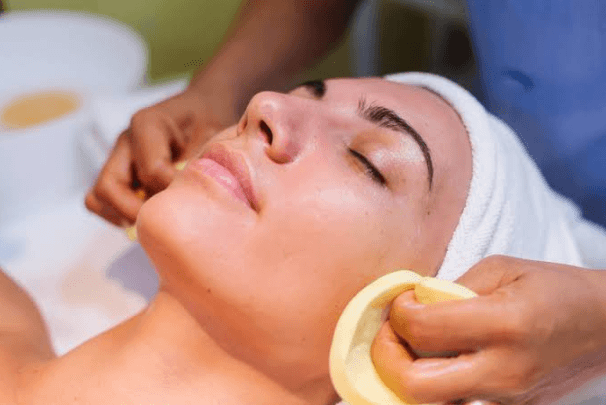

Maintaining proper skin hydration is essential for achieving a healthy, radiant complexion. Skin hydration refers to the skin’s ability to retain moisture, which influences its texture, elasticity, and overall appearance. Dehydrated skin can lead to dryness, flakiness, premature ageing, and increased sensitivity. Consequently, effective skin hydration treatments have become a significant focus in skincare routines and professional skin therapies.
The Importance of Skin Hydration
The skin’s outer layer, the epidermis, serves as a barrier between the body and external environmental factors. Adequate hydration ensures this barrier remains intact and functional. When the skin lacks moisture, its protective functions weaken, making it more susceptible to damage from pollutants, UV rays, and irritants.
Moreover, hydrated skin facilitates cellular regeneration and repair processes. This results in a smoother, more even skin tone and improves the skin’s resilience against ageing signs such as fine lines and wrinkles. Thus, incorporating skin hydration treatments into skincare is key for maintaining vitality and youthfulness.
See also: Simple Mindset Shifts That Make Everyday Life Feel More Abundant
Factors Leading to Skin Dehydration
Several factors contribute to skin dehydration, including environmental influences, lifestyle choices, and physiological changes. Exposure to harsh weather conditions, such as cold winds or excessive sun, can strip moisture from the skin. Air conditioning and central heating also reduce ambient humidity, exacerbating dryness.
Lifestyle habits such as inadequate water intake, excessive caffeine or alcohol consumption, smoking, and insufficient sleep negatively impact the skin’s hydration status. Additionally, ageing naturally reduces the skin’s capability to retain moisture as the production of oils and natural moisturising factors decline.
Common Signs of Dehydrated Skin
Recognising dehydrated skin is crucial to select appropriate treatments. Common signs include tightness, dullness, rough texture, flakiness, and increased sensitivity. Dehydrated skin may also present fine lines that appear more pronounced due to lack of moisture, and sometimes a sensation of itching or discomfort.
Role of Professional Skin Hydration Treatments
While daily moisturisers are fundamental, professional skin hydration treatments offer intensified benefits to restore and maintain skin moisture levels. These treatments can penetrate deeper layers of the skin, delivering hydration and nourishment more effectively than at-home products alone.
Clinics specialising in skin services often provide tailored skin hydration treatments that address individual skin concerns, enhancing results and improving long-term skin health. For individuals seeking expert care, consulting professionals who offer a range of skin hydration options can be particularly advantageous.
Popular Skin Hydration Treatments
Several treatments have been established as effective for boosting skin hydration. These include:
1. Hydrating Facials
Hydrating facials involve cleansing, exfoliation, and the application of moisturising serums and masks. Ingredients often used are hyaluronic acid, glycerin, and natural oils, which attract and lock in moisture. Hydrating facials provide instant sensation of softness and improved skin texture.
2. Mesotherapy
Mesotherapy involves micro-injections of hydrating solutions into the skin’s mesoderm layer. This technique directly infuses active ingredients such as vitamins, amino acids, and hyaluronic acid. Results include enhanced hydration, increased brightness, and stimulation of collagen production.
3. Microdermabrasion with Hydrating Serums
Microdermabrasion exfoliates dead skin cells, allowing moisturising serums to penetrate deeper. When combined with hydration-targeted serums, this treatment helps in rejuvenating dry and dull skin.
4. Oxygen Therapy
Oxygen therapy uses pressurised oxygen infused with moisturising serums to nourish skin cells. This treatment promotes better oxygen circulation and hydration, resulting in a refreshed and plump skin appearance.
5. Chemical Peels
Certain chemical peels, when formulated for hydration, can remove dead cells gently and promote moisturising element absorption. Mild peels with lactic acid or other hydrating agents address both exfoliation and hydration simultaneously.
The Role of Ingredients in Skin Hydration
Effective skin hydration treatments rely heavily on the choice of active ingredients. Hyaluronic acid is widely recognised for its ability to hold up to 1000 times its weight in water, making it a key humectant in hydration therapies. Other beneficial ingredients include glycerin, ceramides, aloe vera, and natural oils such as jojoba and squalane.
Ceramides help restore the skin’s natural barrier function, reducing water loss. Meanwhile, emollients like natural oils enhance suppleness by filling gaps between skin cells. Combining these elements in professional treatments results in sustained hydration and strengthened skin integrity.
Home Care to Support Skin Hydration Treatments
In addition to professional treatments, maintaining hydration at home is imperative. Using moisturisers suited to skin type and containing hydrating ingredients supports treatment outcomes. Drinking adequate water, avoiding excessive use of harsh cleansers, and protecting the skin from extreme weather will also contribute to skin hydration.
Gentle cleansing with hydrating cleansers helps maintain the skin’s moisture balance by not stripping away natural oils. Applying moisturisers immediately after cleansing locks in moisture effectively.
Preventive Measures for Skin Hydration
Preventing dehydration includes adopting lifestyle habits that preserve skin moisture. Wearing sunscreen daily prevents damage that leads to moisture loss. Using humidifiers in dry environments can increase ambient humidity, benefiting skin hydration levels.
Limiting exposure to hot showers and baths, which can strip natural oils, also aids in maintaining skin hydration. Regularly adjusting skincare routines according to seasonal changes ensures the skin receives appropriate hydration year-round.
Consulting Professionals for Personalised Treatment
Since skin hydration needs vary based on skin type, age, and environmental factors, consulting skincare professionals is recommended for personalised treatment plans. Clinics offer skin assessments and can advise on the most suitable skin hydration treatments available.
Customised approaches optimise results and reduce the risk of adverse reactions, particularly for those with sensitive or compromised skin.
Conclusion
Effective skin hydration is fundamental for maintaining healthy, radiant skin. Professional treatments, combined with appropriate home care and lifestyle measures, can restore and preserve the skin’s moisture balance. Understanding the causes and signs of dehydration, choosing suitable treatments, and using beneficial ingredients are essential steps in achieving long-lasting hydration. Individuals seeking expert assistance in enhancing their skin hydration are advised to explore specialised skin services for tailored options that best fit their needs.

 By
By




 By
By