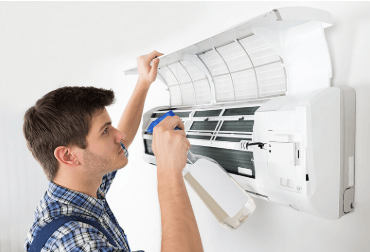

HVAC systems keep your home comfortable throughout the year. In order for it to do its job, you need to keep up with yearly maintenance. The better you maintain your system, the more efficient it will run and the longer it will last. The best part is you don’t need to be a heating and cooling expert.
In just a few minutes each month with some common household tools, you can perform most of your HVAC maintenance yourself and save money on costly repairs.
Why Should I Maintain My HVAC?
Many people allow their HVAC systems to fail prematurely or not run efficiently because of poor maintenance. Cleaning out your HVAC system allows it to operate at peak efficiency, saving you money on energy costs. Keeping up with maintenance also saves you from costly breakdowns and keeps the air inside your home clean.
Change Your Air Filters
Changing your air filters is by far the quickest and easiest task you can do to maintain your HVAC system. HVAC air filters prevent pollen, dust, and other particles from circulating through your vents and into your home. NHS told us that when your filters become dirty and clogged with debris, your HVAC system must strain to force air through them.
Inspect your filters once a month to ensure they aren’t dirty or covered in debris. If they are dirty, change them right away. Most homes need to replace their filters every few months. If you have pets or suffer from allergies, you may need to change them more frequently.
Your filter will have an arrow that indicates the direction the air flows through it. Pull off your old filter and insert the new filter with the arrow facing toward your HVAC unit. The entire process takes less than five minutes.
Clean Your Outdoor Unit
Just like the inside of your HVAC system, you should regularly clean the outside unit. Over time, debris, leaves, and dirt can build up on your outdoor condenser unit and block airflow into the system.
Begin by shutting off power to your outdoor unit at your breaker box. Remove any leaves or debris that may have collected around your condenser unit. Then, take your garden hose and spray off the fins on your unit. Start spraying at the center of the fins and work your way out to avoid bending the fins. If any fins are bent, you can carefully straighten them using a fin comb.
You should always clean around your unit and make sure you allow at least two feet of clearance. Cut back any bushes, grass or other items that may hinder airflow into your condenser unit.
Clean the Condensate Drain Line
Did you know your AC produces moisture when it runs? This moisture is drained out of your house through a condensate drain line. If this line becomes clogged with algae and mold, your AC may cause water damage to your home or shut off completely.
To clean your condensate drain line, you first need to locate it. The drain line is located near your indoor air handler and looks like a PVC pipe coming out from the bottom with a cap on it. Pour one cup of vinegar or bleach into your drain line every few months to prevent algae or mold from growing. The vinegar or bleach will kill any buildup that has started.
If you notice water pooling around your indoor unit, there’s a good chance your condensate drain line is clogged. To fix this issue, you can use a wet-dry vacuum to vacuum up the clog from the exterior of the pipe.
Inspect and Clean Air Vents
Walk around your home and take note of all your air vents. Dust and debris can collect on registers and air vents throughout your home. Not only can dirty vents spread dust around your home, but they can limit airflow through your system.
Take each vent off and wash them with warm soap and water. Use your vacuum with the hose attachment and clean inside of your ductwork as far as you can reach. Lastly, wipe down the surrounding wall to remove any dust.
Make sure that none of your vents are blocked by furniture, curtains, or rugs. Closed vents can cause your system to work harder and create hot or cold spots in your home.
Inspect Your Thermostat
Your thermostat controls your entire HVAC system. Ensure your thermostat is working properly by adjusting the temperature and making sure your system is kicking on or turning off like it should.
If you don’t already have a programmable thermostat, consider investing in one. Smart thermostats can save you money on your energy bills by up to 10%. Programmable thermostats allow you to control when your HVAC system turns on and off based on whether you’re home or away.
Make sure to change your thermostat batteries once a year so you don’t run into any unforeseen problems. While most thermostats provide a warning when the batteries are running low, it’s best to change them annually just to be sure.
See also: Book Easily: Chandigarh to Manali Cab booking & Delhi Airport to Chandigarh Cab Service
Inspect Ductwork for Leaks
One of the biggest energy wasters in your home can be leaking ducts. To check your ductwork for leaks or disconnections, walk through your basement, crawlspace, or attic and look for any visible ductwork.
Check for any disconnections, holes, or gaps in your ductwork. Put your hand on any duct connections and feel for escaping air. You can seal small leaks using metal-backed tape or duct sealant mastic. (Don’t use regular duct tape.)
FAQ’s
1. How often should I change my HVAC air filter?
Check it every month. If it looks dirty or gray, swap it out immediately. Most homes need a new filter every 1–3 months, but if you have pets or allergies, you might need to change it more often. A clean filter keeps your system running efficiently and prevents dust from spreading around your home.
2. How do I clean my outdoor HVAC unit safely?
First, turn off the power at the breaker. Then, remove leaves, grass, and debris around the unit. Use a garden hose to gently spray the fins from the center outward, and straighten any bent fins carefully with a fin comb. Make sure there’s at least two feet of clearance around the unit so it can breathe properly.
3. What’s the condensate drain line, and why should I clean it?
Your AC produces moisture, which drains out through the condensate line. Over time, algae and mold can clog it, causing water damage or system shutdown. Pour a cup of vinegar or bleach down the pipe every few months to keep it clear. If water pools near your indoor unit, try using a wet-dry vacuum to remove a clog from the exterior of the pipe.
4. How can I tell if my ductwork is leaking?
Walk through your basement, attic, or crawlspace and check visible ducts for gaps, holes, or disconnections. Run your hand along the joints while the system is on—if you feel air escaping, that’s a leak. Small leaks can be sealed with metal-backed tape or duct sealant mastic. Avoid using regular duct tape—it won’t hold up in HVAC systems.
5. Should I clean my air vents, and how often?
Yes! Dust and debris can accumulate on vents and registers, reducing airflow and spreading dust around your home. Remove each vent, wash it with warm soapy water, vacuum inside the duct as far as you can reach, and wipe down the surrounding wall. Check that vents aren’t blocked by furniture or curtains, which can make your system work harder.
6. Do thermostats really need maintenance?
Definitely. Make sure your thermostat is responding correctly by adjusting the temperature and checking if your HVAC kicks on or shuts off properly. Change the batteries once a year, even if it still works. If you don’t have a programmable or smart thermostat, consider getting one—it can save you up to 10% on energy bills by running your system only when needed.
Final Words
Maintaining your HVAC system should be simple and you don’t need to be an expert. Regular maintenance can help improve the efficiency of your system and save you money on utility bills. By following the steps above, you can keep your HVAC system running smoothly and your home comfortable for years to come. Start with simple maintenance tasks such as changing your air filter and cleaning your vents. Once you’ve conquered those tasks, try working on the others until they become routine.


 By
By



 By
By